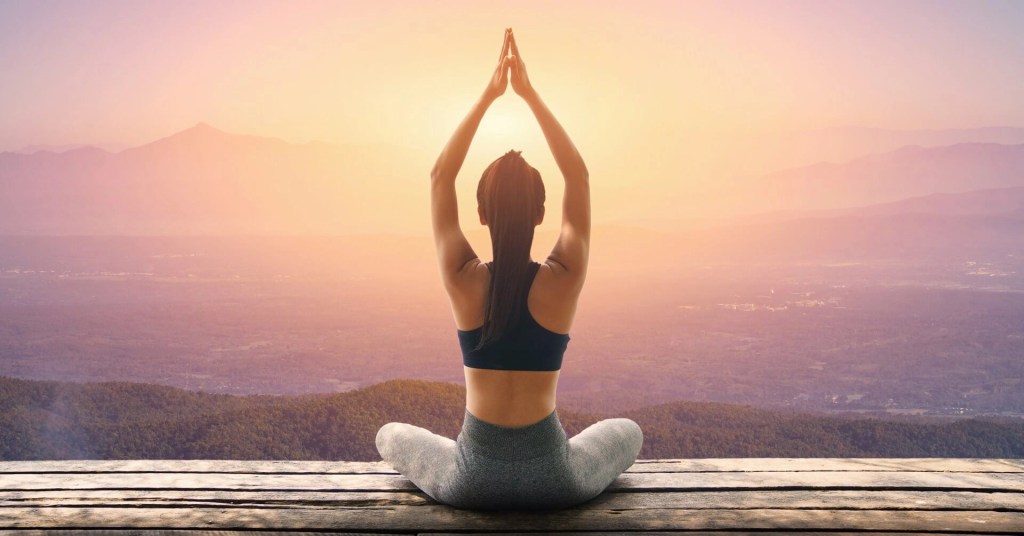
I first stepped onto a yoga mat looking for peace, a moment of calm in a world that rarely slows down. What I found was far more than a workout. Yoga became a practice of self-discovery, helping me find strength in stillness, clarity in chaos, and a deeper connection between mind and body.
Today, yoga has become one of the most powerful tools for mental health, physical wellness, and emotional balance, especially for women. According to the Yoga Alliance and Yoga Journal’s 2022 Yoga in America Study, over 36 million Americans practice yoga regularly, and nearly three out of four practitioners are women. These numbers aren’t just statistics, they reflect a growing movement of people choosing mindfulness over burnout, and holistic healing over quick fixes.
Why Yoga Is Good for Mental Health
The most profound benefits of yoga begin in the mind. When we practice yoga, we don’t just stretch our muscles, we soften our thoughts. Studies have shown that yoga can help reduce stress, anxiety, and symptoms of depression, all while improving overall emotional regulation.
A 2018 Harvard Medical School study found that regular yoga practice decreases cortisol levels (the body’s primary stress hormone) while boosting levels of GABA, a neurotransmitter linked to calmness and reduced anxiety. Another 2020 study in Frontiers in Psychiatry revealed that participants who practiced yoga for 12 weeks showed significant improvements in mental clarity, mood stability, and resilience.
For women especially, yoga provides a safe and grounding space to reconnect with ourselves. Something many of us lose in the rush of daily responsibilities. Whether it’s through breathwork (pranayama) or mindful meditation, yoga gives us the tools to manage stress in real time. It teaches us to be present, not perfect.
The Physical Benefits of Yoga: Strength, Flexibility, and Longevity
One of the most common misconceptions about yoga is that it’s only for flexibility. In truth, yoga is a full-body practice that builds strength, balance, posture, and endurance.
The National Institutes of Health (NIH) has identified yoga as one of the most effective holistic practices for overall physical fitness and injury prevention. A 2021 study in the Journal of Physical Activity and Health found that adults who practiced yoga for at least 30 minutes per day had improved cardiovascular health, lower BMI, and reduced markers of inflammation compared to those who didn’t.
Yoga poses like Warrior II, Plank, and Chair Pose engage major muscle groups, supporting bone density and joint stability, critical for women as we age. Additionally, yoga’s focus on low-impact movement makes it an ideal form of exercise for all stages of life, from early adulthood to post-menopause.
Even more compelling? A long-term Harvard Health study showed that consistent yoga practice can slow biological aging by preserving telomere length which are tiny caps on the ends of chromosomes that are linked to longevity.
Yoga and Emotional Healing: Reconnecting With Yourself
Beyond the physical and mental benefits, yoga has an emotional dimension that’s hard to quantify but deeply felt. Through mindful movement and self-awareness, yoga teaches us how to inhabit our bodies with compassion rather than criticism.
According to the Yoga Alliance, 86% of women who practice yoga report feeling stronger mentally and emotionally. That statistic resonates with me deeply. Each time I move through a sequence, I’m reminded that progress isn’t about achieving the perfect pose—it’s about showing up, breathing through discomfort, and honoring where you are.
This emotional release can be transformative. Yoga invites you to let go of what no longer serves you… stress, tension, fear. And then replace it with presence, gratitude, and acceptance.
The Science of Breath: How Pranayama Supports Mental Wellness
Breathwork is at the heart of yoga, and it’s one of the most powerful tools for stress management and emotional balance. Deep breathing activates the parasympathetic nervous system, which helps the body recover from stress by lowering heart rate and blood pressure.
In fact, research published in the Journal of Clinical Psychology (2022) found that individuals who practiced daily pranayama experienced a 44% reduction in anxiety symptoms within eight weeks. That’s the science behind why yoga leaves you feeling calm, centered, and recharged.
Bringing Yoga Into Everyday Life
The true beauty of yoga is that it doesn’t end when you roll up your mat. The mindfulness you cultivate in each session carries over into everyday life. How you breathe through challenges, how you approach relationships, how you treat yourself.
You don’t need an hour-long class or a perfect routine to experience the benefits. Even 10 to 15 minutes a day of mindful stretching or deep breathing can reset your mood and energy levels. Apps, online classes, and local studios make it easier than ever to begin a home yoga practice tailored to your lifestyle.
Why Yoga Belongs in Every Woman’s Wellness Routine
Yoga is more than exercise, it’s self-care. It’s therapy. It’s a lifestyle of balance, discipline, and peace. Whether you’re looking to tone your body, reduce anxiety, or simply find stillness in a noisy world, yoga offers a holistic approach to wellness that meets you exactly where you are.
For women navigating stress, hormonal changes, or emotional burnout, yoga can be the gentle but powerful reminder that healing begins from within.
As I’ve learned, wellness isn’t about doing more. It’s about doing what matters with presence and intention. And sometimes, that starts with one deep, conscious breath.
 Vanilla Clover
Leave a comment